eSIM vs Physical SIM: The Downsides You Find Out Too Late
 8 min read
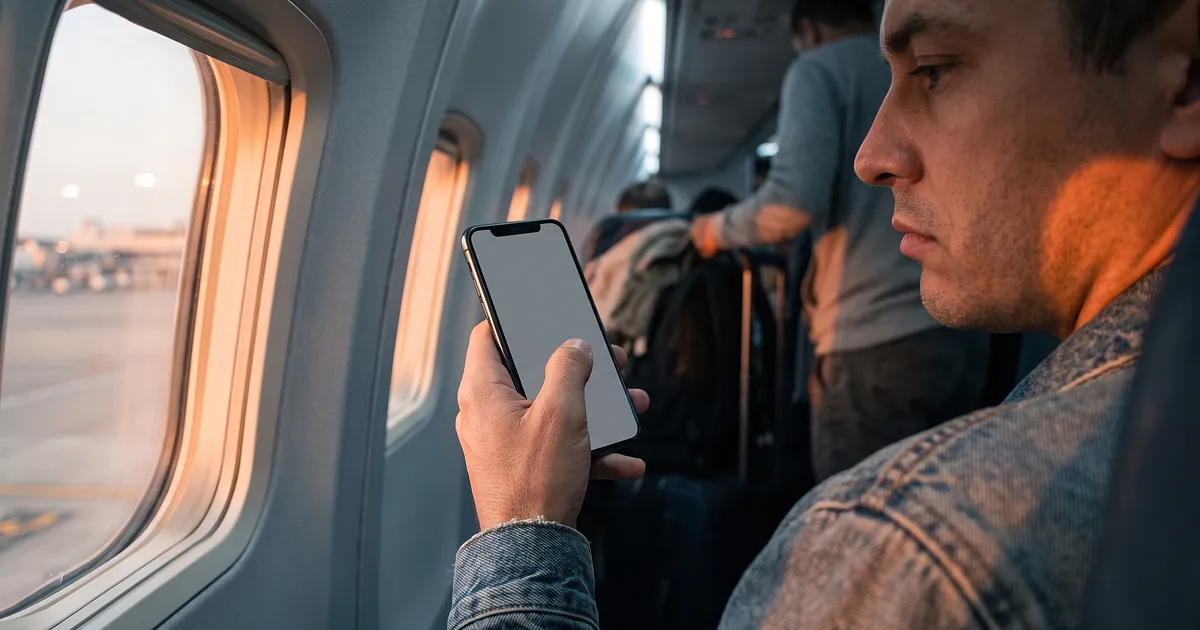
Day two in Lisbon, and your phone is in the back of a taxi that isn't coming back. Annoying either way. But with a physical SIM card it costs you an afternoon: buy a cheap handset, move the card across, done. With an eSIM, the data plan you already paid for is in that taxi too. There's nothing to move.
That's the part of the eSIM vs physical SIM comparison almost nobody writes down. Not because it's a secret. It just doesn't hurt until after you've paid.
One distinction first: this is about drawbacks, not troubleshooting. Nothing below is broken, it's built this way.
Your phone goes, your data plan goes with it
I think this is the most underrated downside in the category, and most comparison pieces give it half a sentence: "tied to the device."
What that actually means is spelled out, unusually plainly, by Airalo's own help centre: eSIMs are built for single-device use, and once you remove one you "won't be able to reinstall it, either on the same or any other device." The QR code works once. Scanning it again does nothing.
Stolen phone, cracked screen, dead battery. Your travel plan goes with it. Not paused, not transferable, gone. None of the big travel-eSIM resellers publishes a documented reissue path, so the only way back online is buying a fresh plan at full price.
A physical SIM outlives the handset. An eSIM doesn't. That's the whole difference, and it bills you on a day that was already going badly.
Which changes the buying maths, honestly. Somewhere phone theft is a genuine risk, a few smaller plans bought in sequence are a better bet than one big one covering the trip. Fussy, sure. Also the gap between losing a little money and re-buying your whole connectivity budget.
Activation needs internet before it can give you internet
The classic one. You land, switch off airplane mode, and the eSIM would now like to reach the internet in order to set itself up. The profile downloads from the provider's server, which needs a connection you don't currently have.
Even at the airport, that's not guaranteed. If the guest network wants to text you a code first, which happens more than you'd expect, you're stuck without a connection right when the eSIM needs one most.
The reliable fix is dull and effective: install the eSIM profile before you fly, at home on your own Wi-Fi, and only switch the data on after you land. Installing and activating are separate steps, and doing the first one a day early removes this drawback entirely.
So if you're going the eSIM route anyway, buying and installing it at the kitchen table beats doing it at baggage claim:
That fixes one thing here, not the rest.
Affiliate link. Buying through it earns us a commission; the price stays the same for you.
Data only, no number, and the two-factor gap
Most travel eSIMs are pure data plans. No number of their own, no texts, no calls to ordinary phone numbers. Airalo's support documentation says it outright: for voice and SMS you fall back on "another line," meaning your home SIM, which can trigger roaming charges of its own.
WhatsApp, Signal and iMessage all ride on data and behave normally. The trouble is everything that still insists on a text message.
Bank two-factor codes are the big one, and they matter more in some markets than others. German banks in particular still lean heavily on SMS codes to confirm transfers. If your home SIM isn't active abroad, that code never arrives, and you end up sitting in a hotel with plenty of data and no access to your own account. Different category of problem from not being able to phone a taxi.
Worth switching your bank to app-based approval before you go, or keeping the home line live and eating the roaming cost. Both are a hassle. Both beat the alternative.
Plenty of phones can't do what you're assuming
Sometimes eSIM vs physical SIM isn't a decision at all, because the handset already made it.
US iPhones from the iPhone 14 onward have no SIM tray whatsoever. Apple removed it for the US market back in 2022 and hasn't reversed course.
Then there's the line recycled through every drawbacks article for years, that iPhones sold in China have no eSIM. As far as I can tell that's now only half right. According to eSIM provider GigSky, only the iPhone Air and iPhone 17e support eSIM in mainland China, while every other China-market model still ships without it. That's a property of your device, not your destination. A China-bought iPhone is just as stuck in Rome as in Beijing.
Android is messier and varies by model and sales region. No reliable master list exists, so there isn't one here either. Checking your own settings before buying anything is five minutes well spent, and it matters most for cheap or second-hand handsets, which is exactly the sort of backup phone people take backpacking.
The small print nobody reads
A handful of things that rarely bite, but do exist:
Storing several profiles is fine, running them at once usually isn't. Airalo puts the figure at five to ten stored eSIMs on an iPhone, with only one or two active depending on the model. Delete the wrong profile to free a slot and, per the rule further up, it isn't coming back.
The reseller picks your local network, not you. They buy wholesale capacity from local operators, and which operator that is shifts from country to country. We broke down who runs on which network in our Thailand eSIM comparison.
Hotspot rules are a per-plan thing. Some allow tethering, some throttle it, some ban it. That detail lives in the terms, not on the product page.
EU rules won't rescue you here. "Roam Like at Home," as BEREC describes it, covers your own operator's contract. A travel eSIM bought separately from a third party isn't roaming at all, it's a local prepaid plan, and support at most resellers is chat only.
Is an eSIM worth it? Usually yes, sometimes genuinely no
After all that: for most trips, yes. You can buy it in five minutes, there's no shop to find on arrival, and there's no tiny plastic chip to lose in a hotel room.
I'd still reach for a physical or local SIM if any of these describe you:
Your handset is older, second-hand, or bought in a region with its own rules.
You're going somewhere phone theft is common and you're not carrying a spare device.
Your bank insists on SMS codes and you'd rather not keep the home line active.
You're staying more than a few weeks, where a local prepaid SIM is often cheaper and comes with a real number.
Convenience and resilience aren't the same thing, and eSIM marketing loves to blur them. Knowing which one you're actually buying, before you buy it, saves a lot of swearing later.
All products from this post
The ones we named above are marked; the rest are alternatives in the same category.
Affiliate notice: As an Amazon Associate, we earn from qualifying purchases. Product prices and availability are subject to change.
Frequently Asked Questions
What is the biggest disadvantage of an eSIM?
That it's locked to one device. If the phone breaks or disappears, the plan you paid for can't be popped into a spare handset the way a SIM card can. Buying a new plan is the only route back online.
What happens to my eSIM if my phone is stolen?
You lose the plan. None of the major resellers publish a reissue process, so a replacement handset means a new plan. That's the argument for buying several smaller plans instead of one large one on higher-risk trips.
Does activating an eSIM require internet?
Yes. The profile downloads from the provider's server, so the phone needs Wi-Fi or an existing connection. Install it at home a day or two before you fly, then switch the data on after landing.
Can I make calls and receive texts on a travel eSIM?
Usually not. Nearly all travel eSIMs are data-only, so calls and texts run through your home SIM and can cost roaming fees. That matters most for bank text codes: without an active home line, they never reach you abroad.
Sources
- Airalo's own help centre airalo.com
- install the eSIM profile before you fly saily.com
- Airalo's support documentation airalo.com
- Apple removed it for the US market back in 2022 9to5mac.com
- only the iPhone Air and iPhone 17e support eSIM in mainland China gigsky.com
- Airalo puts the figure at five to ten stored eSIMs airalo.com
- as BEREC describes it berec.europa.eu