EU Roaming Balkans: What the New Western Balkans Talks Mean for Your Trip
 5 min read
Let's get the headline straight first, because plenty of June coverage didn't. On EU roaming Balkans rules, nothing has changed yet. On 4 June 2026 the Council of the European Union authorised the Commission to open negotiations with the six Western Balkans partners. That's the whole decision. No signed agreement, no start date, no free data in Albania next week.
So if you're driving through Serbia, Montenegro or Bosnia this autumn, you're still paying roaming charges.
What the Council decided on EU roaming Balkans, and what it didn't
Six countries are in scope: Albania, Bosnia and Herzegovina, Kosovo, Montenegro, North Macedonia and Serbia. EU paperwork calls them the WB6.
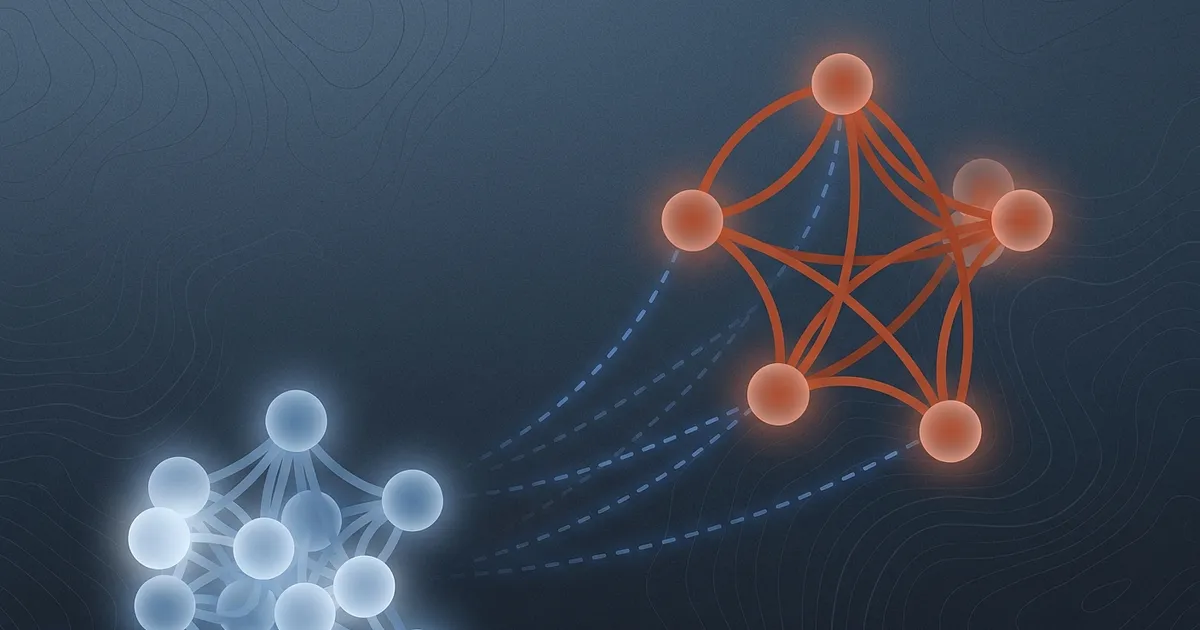
What was granted is a negotiating mandate and nothing beyond it. As europeanwesternbalkans.com reports, the Commission now has to negotiate a sectoral agreement with each of the six partners separately. Then each country adopts the EU roaming rulebook, implements it, the Commission assesses whether that actually happened, and only after all of that do the markets open reciprocally. Four stages, none with a date attached.
Honestly, nobody can tell you when this lands. Anyone writing that roaming has been abolished is guessing.
Three rules people keep mixing up
This is where most of the confusion sits, I think. Several completely separate roaming regimes already touch these six countries, and the June decision affects exactly one of them.
| Zone | Status | Since |
|---|---|---|
| EU and EEA ("Roam Like at Home") | live, free | 15 June 2017 |
| Ukraine and Moldova | live, free | 1 January 2026 |
| Within the WB6, on a local SIM | live, free | 1 July 2021 |
| EU to WB6, data roaming | price cap, not free | 1 October 2023 |
| EU to WB6, full RLAH parity | talks only, no date | 4 June 2026 |
The Regional Roaming Agreement has made roaming free among those six markets since 1 July 2021. It has nothing to do with the EU and predates this news by five years. A Serbian prepaid SIM works at home rates in Albania. Your German or British one doesn't.
Between the EU and the Western Balkans there's been a price ceiling of 18 euros per GB since 1 October 2023, dropping in stages to 9 euros by 2028 (14 euros from 2026), per europeanwesternbalkans.com. Capped isn't free. That gap comes out of your pocket. Head to Montenegro, say, and you're paying capped EU roaming today. Free Montenegro roaming waits on the sectoral agreement getting signed.
Can the EU extend Roam Like at Home past its own borders at all? Ukraine and Moldova are the proof it can. Both joined the zone on 1 January 2026, according to the Council of the EU, the first countries outside the EEA ever admitted. Roughly six months passed there between the decision and the switch flipping. The Western Balkans means six negotiations instead of two. Probably slower, then.
What you actually pay for Western Balkans roaming right now
For German carriers (Telekom, Vodafone, O2, congstar) the Western Balkans currently sit in a non-EU roaming zone. In practice that means call minutes around 29 cents and data passes that cost more for a few hundred megabytes than a full travel eSIM does for the whole trip. Figures as of August 2026, and tariffs shift without warning, so check your own before you fly.
The genuinely annoying part? On a Balkans road trip you never notice the switch. Croatia is EU, everything's included. Forty kilometres further into Bosnia the meter is running. No warning banner, nothing on screen.
Which leaves the obvious move: buy an eSIM for the Balkans before you leave, with regional coverage rather than six separate packages. Our destination guides walk through the providers and current prices. Waiting on the agreement isn't a plan for a trip you're taking this year.
So does anything change for you?
For your next trip, nothing changes on EU roaming Balkans. Over a few years, yes, and that's the real story here. Rolling Roam Like at Home out past the EEA at all was unthinkable until recently. Ukraine and Moldova pushed the door open, and the Western Balkans are standing in front of it now.
I still wouldn't bet on 2027.
Frequently Asked Questions
Is Western Balkans roaming free now?
No. On 4 June 2026 the EU Council only authorised negotiations. For an EU SIM card, Albania, Serbia, Bosnia, Montenegro, North Macedonia and Kosovo all remain non-EU roaming destinations, with data currently capped at 18 euros per GB.
Which countries are covered by the Western Balkans talks?
Six, referred to in EU documents as the WB6: Albania, Bosnia and Herzegovina, Kosovo, Montenegro, North Macedonia and Serbia. The Commission negotiates with each country individually, so the six may well finish at different times.
When will the new EU roaming rules for the Balkans take effect?
There is no date. After the mandate come the negotiations, national implementation, a Commission assessment, and only then reciprocal market opening. For Ukraine and Moldova about six months passed between decision and launch, but that process covered two countries rather than six.
Is roaming inside the Balkan countries already free?
Yes, though only on a local SIM. The six markets have roamed free among themselves since 1 July 2021. That's a regional agreement with no EU involvement, and your home SIM from an EU country gets no benefit from it.
Is a Balkans eSIM still worth buying?
Yes, for any trip taken before the talks conclude. A regional Balkans eSIM usually costs a good deal less than a carrier data pass for the same amount of data. Still worth comparing per trip, since providers adjust their bundles often.