GSMA SGP.32: The New eSIM Standard and What It Changes for Travelers
 5 min read
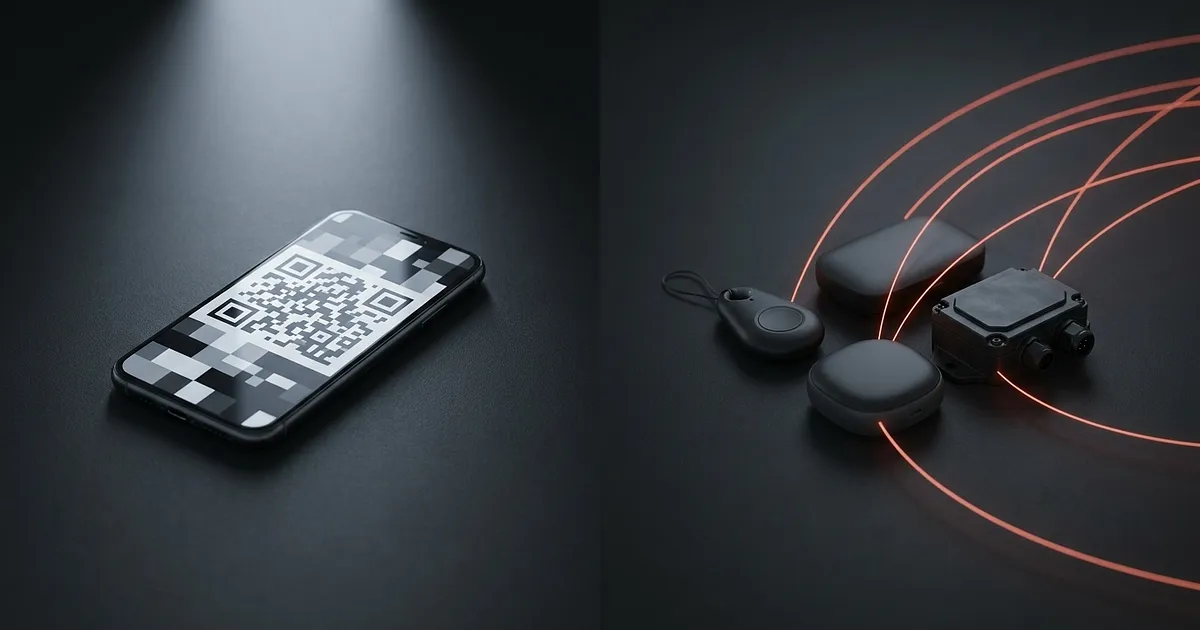
Scan the QR code that only works once. The hotel wifi chokes on the download. Type the long activation code in by hand. Since spring, tech press has been buzzing about a fix: SGP.32, the GSMA's new eSIM standard. It's real. It just doesn't change anything on your phone yet.
Why eSIM setup is still fiddly today
The eSIM in your phone follows a spec older than most travel eSIM providers: SGP.22, from 2016. The device runs the LPA, the Local Profile Assistant, needing a tap on "install." Hence the QR code. Unlike SGP.32 for IoT devices, phone activation still runs through that consumer standard. Not a niche issue: the Trusted Connectivity Alliance reported 605 million eSIM units shipped in 2025, up 18 percent on 2024.
What SGP.32 actually changes
The GSMA SGP.32 specification covers devices nobody can tap: a water meter in a basement, a tracker on a shipping pallet, a camera on a wind turbine. The LPA gets replaced by the IPA, the IoT Profile Assistant, plus a backend called the eIM, the eSIM IoT Remote Manager. That eIM handles eSIM provisioning: pushing, enabling, disabling, or wiping a profile with nobody confirming anything anywhere.
The version history is short: v1.0 on 26 May 2023, v1.2 in December 2024, v1.3 on 28 May 2026. Kigen CEO Vincent Korstanje said on 2 October 2024, launching the first SGP.32 v1.2-compliant eIM solution: "As eSIM technology evolves with SGP.32, it's clear that this future of IoT requires technological stewardship, starting now." Note the word IoT. Not by accident.
SGP.22 vs SGP.32: the differences
| SGP.22 (consumer, since 2016) | SGP.32 (IoT, since May 2023) | |
|---|---|---|
| Target devices | Phone, tablet, smartwatch | Sensors, trackers, meters, connected cars |
| Installation | QR code, carrier app, or manual entry | fully automatic via the eIM |
| User interaction | required | none |
| On-device software | LPA | IPA |
| Current version | consumer standard, revised over time | v1.2 (December 2024), v1.3 since 28 May 2026 |
Who ships this already? As of August 2026
On the IoT side, SGP.32 is well past the proposal stage. Telenor IoT began delivering standardized SGP.32 SIMs on 17 April 2026 per iotportal.co.uk, and KORE announced a Kigen-powered portfolio the same month.
That same source hedged in July 2026: the certified ecosystem is real, but incomplete. Many large module vendors have no certified SGP.32 hardware yet. None is a travel plan.
What this means for your next trip
Short term? Nothing. You'll install your eSIM for Japan or the US in 2026 just like in 2024. More in our explainer on how eSIM works abroad.
Medium term, SGP.32 reaches you through gear, not your phone: a hotspot that joins the right network on landing. Worth buying one? See mobile hotspot vs eSIM.
What affects you this year runs under SGP.22: eSIM-only. Get an iPhone 18 Pro with no SIM tray and your physical fallback is gone. Per GSMA Intelligence, eSIM penetration on phones was roughly 5 percent at the end of 2025, forecast to hit about 10 percent by the end of 2026.
Beyond that: inside the EU roaming zone you often need no travel eSIM, see EU roaming 2026. Outside it, almost always.
Honestly, I get why people mix this up. "New eSIM standard" sounds like a promise made to you. It's a promise made to sensor manufacturers.
Frequently Asked Questions
Does SGP.32 change eSIM activation on my phone?
No. SGP.32 covers IoT devices without a screen. Phones stay on SGP.22 from 2016. So in 2026 you're still scanning a QR code or using your provider's app.
What is the difference between SGP.22 and SGP.32?
SGP.22 governs devices with a screen, where a person starts the install. SGP.32 governs devices with no interface: the IPA replaces the LPA, driven by the eIM, with zero input needed.
Can you buy SGP.32 eSIMs yet?
Yes, but only for IoT. Kigen showed the first market-ready eIM under SGP.32 v1.2 in October 2024; Telenor IoT has shipped SGP.32 SIMs since April 2026. Travel eSIM providers sell none of it.
Can I set up a travel eSIM without a QR code?
Often yes, unrelated to SGP.32. Providers install the eSIM from their app, an activation link, or your phone's eSIM settings with a QR code, no app required. Either way, that's SGP.22, not a new standard.
When will travelers benefit from SGP.32?
Indirectly, once connected travel gear adopts it: hotspots, luggage trackers, cameras, rental-car connectivity. No timeline exists. For your phone, the bigger 2026 shift is different: devices with no SIM tray.